
The Attorneys at Marcellino Moore, PLLC have been awarded Super Lawyers®, which includes less than 2.5% of the nation's top attorneys!


.png.2608241411184.webp "Best Lawyers, 2027")







Charlotte Special Needs Trust Attorney
Coordinate Benefits, Assets, & Long-Term Support Within Your Estate Plan
We help Charlotte families incorporate supplemental needs planning into a broader estate plan. At Marcellino Moore, PLLC, we examine how inheritances, trust funding, public benefits, and related legal documents fit together before assets change hands.
A direct inheritance or transfer may affect eligibility for needs-based benefits, depending on the beneficiary’s circumstances and the applicable program rules. Early legal guidance can clarify who owns the assets, which benefits are involved, and how the family wants those assets to support the beneficiary.
Call (980) 427-3401 or reach out online to discuss your special needs trust options with our Charlotte estate-planning team.
Connect the Trust to the Rest of Your Estate Plan
Our estate-planning practice includes wills, trusts, and powers of attorney. We help families determine how these documents should work together, including whether a will or revocable trust should direct a beneficiary’s share into a separate trust instead of distributing it outright.
Founded in 2011, we bring careful preparation and practical legal guidance to significant personal and financial decisions. Our attorneys and dedicated staff offer virtual consultations. We’re also recognized by Super Lawyers®, a designation achieved by fewer than 5 percent of attorneys nationwide.

Settlements & Judgments
Our Case Results
-
Estate Planning
Family Avoids the Time and Expense of Full Probate. Attorney Katy Currie helped a family avoid the time, expense, and complexity of a full probate administration after the loss of a loved one.
-
Contested Will Dispute
Attorney Katy Currie represented a family facing a difficult probate proceeding after a family member challenged the validity of a loved one’s will.
-
Estate Planning
Attorney Katy Currie worked with a blended family facing the challenge of providing for one another while also protecting assets intended for their respective children.
-
Estate Planning to Protect Minor Children
Attorney Katy Currie worked with parents who wanted to ensure their children would be protected and cared for if the unexpected occurred.
-
High-Net-Worth Estate
Advised the owner of a highly successful business with an estate valued at approximately $40 million, including multiple properties across several states.

Meet Our Team
Protecting What Matters Most
-
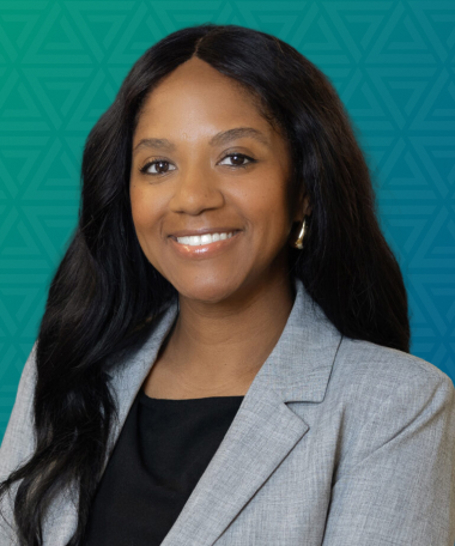
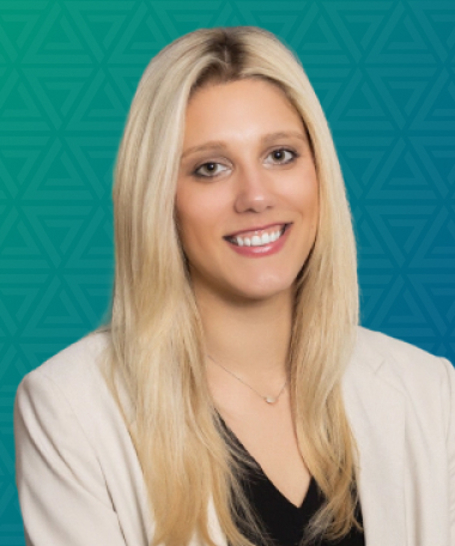
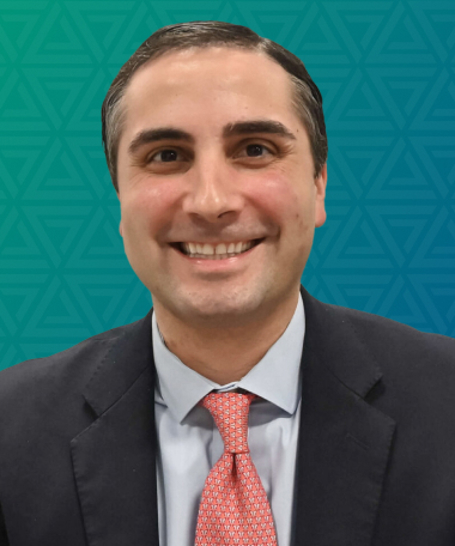
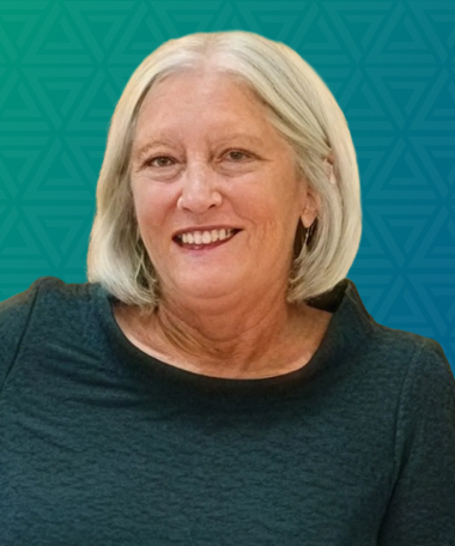
 Matthew Marcellino Partner
-
Jennifer Moore Partner
-
Clay Campbell Partner
-
Katheryn Currie Associate Attorney
-
Daniel Vander Woude Associate Attorney
-
Ryan A. Feeley Associate Attorney
-
Kirsten "Kay" Bolaños Associate Attorney
-
Alexis Gadzinski Associate Attorney
-
Brian Wick Associate Attorney
-
Olivia House Associate Attorney
-
Deb Dilman Of Counsel
-
Bryan Tyson Of Counsel




First-Party, Third-Party, & Pooled Trusts
The source of the assets is central to evaluating the trust structure. Ownership can affect who may establish the trust, how it must operate, and whether Medicaid reimbursement provisions may apply after the beneficiary’s death.
Common structures include:
- Third-party special needs trust: This structure is generally funded with property belonging to someone other than the beneficiary, such as a parent, grandparent, or other relative.
- First-party special needs trust: This trust generally holds the beneficiary’s own property, which may include an inheritance, settlement, or personal funds. Federal and state rules may require Medicaid reimbursement language.
- Pooled trust: A nonprofit organization manages combined funds for multiple beneficiaries while maintaining a separate account for each participant under applicable program rules.
The appropriate structure depends on the asset source, timing, beneficiary’s circumstances, and governing benefit requirements. An inheritance funded by a family member and a settlement owned by the beneficiary shouldn’t be treated as interchangeable.

Questions to Resolve Before Funding the Trust
Families should gather information about the beneficiary, current resources, expected assets, and existing legal documents before creating or funding a trust. This review can uncover issues that need attention before an inheritance is distributed or a beneficiary designation changes.
Important decision points include:
- Benefit programs: Identify the benefits the beneficiary receives or may seek, along with the rules governing income, resources, trusts, and reporting.
- Asset ownership: Determine whether the funds belong to a parent, relative, beneficiary, estate, or settlement recipient.
- Trustee selection: Consider the administrative demands, expected duration, successor trustees, and the beneficiary’s ongoing needs.
- Distribution terms: Address how the trustee may use assets and what may happen after the beneficiary’s death.
- Plan maintenance: Revisit the documents when benefits, assets, family circumstances, or applicable laws change.
Our published estate-planning results include high-value and multi-property estates, as well as a case in which a family avoided the time, expense, and complexity of full probate administration. That broader experience informs our careful review of interconnected planning decisions.
Address Inheritances, Settlements, & Eligibility Changes Promptly
An inheritance received directly by someone using needs-based benefits may call for prompt legal review. The available options can depend on whether the distribution has occurred, who owns the property, and which program rules apply.
A personal injury settlement or another asset owned by the beneficiary may raise first-party trust and Medicaid reimbursement questions. Families shouldn’t fund or amend a trust based solely on general information because document language, ownership, timing, and program requirements can change the analysis.
Administration continues after the trust is funded. Trustees may need to monitor distributions, retain records, report relevant changes, and revisit the plan when benefits or family circumstances change.